2026 Johnny's Ambassadors Youth THC Prevention Conference LIVE AND LIVESTREAM

WHO SHOULD ATTEND?
This event is appropriate for:
Attend to understand the latest science on the harms of youth THC use. You'll participate in real-time conference presentations and interact with the speakers through Q&A sessions (via chat if you're virtual). Dress code is business casual.
** If you are registering a group of people, send their names and emails to Laura@JohnnysAmbassadors.org, and we will send you an invoice to pay online with a check or credit card all at once. No need to register them one at a time! **
DATES: Tuesday, July 28, and Wednesday, July 29, 2026. If you are on vacation these days, register for the livestream anyway, and you will automatically receive the recordings to watch on your own time.
TIME: (All times in MOUNTAIN): 8:00 AM registration (in person). 8:30 AM start – 5:00 end both days
DEADLINE: The deadline to register for in-person attendance is July 21, so we can order food, and the deadline for livestream is July 27. In-person registrations must be canceled by July 1 to allow someone from the waitlist to attend. Cancellations after this will receive a credit for a future conference.
LOCATION: The IN PERSON session will be held at the Conference Center at Ridge Gate, 9977 Sky Ridge Avenue, Suite 401, Lone Tree, CO 80124 (fly into Denver). This is the same building as the Great Divide Brewery. Park on the 4th level in the conference/restaurant garage. The virtual session will be LIVE STREAMED to any internet browser. All attendees will receive access to the recordings to watch or review at their convenience (no time limit). In-person registration includes breakfast, lunch, materials, parking, and all-day beverages for both days.
HOTELS: Here is a link to nearby hotels.
INVESTMENT: $349 in person and $149 livestream PER PERSON. Please don't purchase one license and share it with a group, as this event is a big part of our nonprofit's funding for the year. Thank you for understanding.
Continuing Education Units: This conference is eligible for 12.5 CE Units from the NAADAC, the Association for Addiction Professionals, provider number 253600. Our program meets nationally approved standards of education developed for the addiction/substance use disorders counseling profession. These CE credits provided will be accepted toward national credentialing by the National Certification Commission for Addiction Professionals (NCC AP), as well as by many of the individual state licensing/certification bodies in the addiction and other helping professions. At the conclusion of the conference, you must self-certify you watched the entire livestream conference, or state how many hours you participated, and a certificate will be issued to you. It is up to you to confirm with your licensing board if they will accept NAADAC-approved CEs, as regulations are ever-changing.
description goes here
Sessions are 75 minutes with 60 minutes for slides and 15 minutes for Q&A. Each session will be followed by a 15 minute break. Each presentation is a general session (there are no breakout sessions). ALL TIMES ARE MOUNTAIN.
Day 1 – Tuesday, July 28, 2026
8:00-8:30 Registration and breakfast in person
8:30-8:45 Welcome by Laura Stack
8:45 – 10:00 session 1 Yasmin Hurd, Ph.D.
10:00-10:15 break
10:15-11:30 session 2 Carla Berg, Ph.D., MBA, LP
11:30-12:30 lunch
12:30-1:45 session 3 Sion Kim Harris, Ph.D.
1:45-2:00 break
2:00-3:15 session 4 Lydia Shrier, MD, MPH
3:15-3:30 break
3:30-4:45 session 5 Iliyan Ivanov, MD
4:45-5:00 close with Laura Stack
Day 2 - Wednesday, July 29, 2026
8:00 - 8:30 Registration and breakfast in person
8:30-8:45 Welcome by Laura Stack
8:45 – 10:00 session 1 Ken Finn, MD
10:00-10:15 break
10:15-11:30 session 2 Michelle Peace, Ph.D.
11:30-12:30 lunch
12:30-1:45 session 3 James Berry, MD
1:45-2:00 break
2:00-3:15 session 4 Sue Thau
3:15-3:30 break
3:30-4:45 session 5 Aaron Weiner, Ph.D.
4:45-5:00 close with Laura Stack
Laura Stack was best known in the business world for her professional moniker, The Productivity Pro. Her 30-year career as a keynote speaker, bestselling author of eight productivity books, and corporate spokesperson came to a screeching halt on November 20, 2019, when her 19-year-old son, Johnny, died by suicide after becoming psychotic from dabbing high-THC marijuana concentrates. Laura responded by forming the nonprofit, Johnny’s Ambassadors, to educate parents and teens about the dangers of today’s high-THC marijuana on adolescent brain development, mental illness, and suicide. Her platform now brings education, awareness, and prevention curriculum to schools, parents, prevention conferences, and coalitions to prevent youth THC use. https://johnnysambassadors.org/speaking
Cannabis and the Adolescent Brain: Impact on Development, Addiction, and Epigenetic Trajectory
The dramatic shift in the sociopolitical landscape surrounding cannabis has raised significant debates with questions about its potential health impact. Of particular concern are vulnerable populations, such as adolescents, given the possible effects of cannabis on neurodevelopmental processes. This talk will provide insights about biological mechanisms underlying the developmental effects of cannabis exposure—especially THC—and examine how these changes may influence mental health risk later in life. The presentation draws on a wide range of research, including both preclinical animal studies and human data, to expand knowledge as well as to identify potential pathways through which epigenetic outcomes may be altered to improve outcome.
Learning objectives
1. Describe the long-term effects of adolescent cannabis exposure on brain development and behavior, with a focus on psychiatric vulnerability.
2. Differentiate the impacts of specific phytocannabinoids—such as tetrahydrocannabinol (THC) and cannabidiol (CBD)—on brain function and behavior in relation to psychiatric risk.
3. Identify moderating factors, such as THC dose/potency and stress, that can influence the developmental effects of cannabis and cannabinoids.
4. Understand epigenetic mechanisms through which cannabis has long-term effects on brain and behavior, even across generations.
5. Describe the role of the endocannabinoid system in neurodevelopment
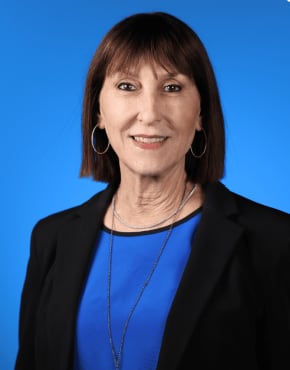
Dr. Yasmin Hurd is the Ward-Coleman Chair in Translational Neuroscience as well as Professor of Psychiatry, Neuroscience and Pharmacological Sciences at the Icahn School of Medicine in New York. She is also the Director of the Addiction Institute at the Mount Sinai Behavioral Health System which covers one of the largest addiction populations in the US providing clinical care supported by evidenced-based research. Dr. Hurd is an internationally renowned neuroscientist whose preclinical and clinical translational research examines the neurobiology of substance use disorders and related psychiatric disorders with primary focus on opioid abuse and the developmental effects of cannabis. Using multidisciplinary research approaches, her work has provided unique insights into the impact of developmental cannabis exposure and epigenetic mechanisms underlying the THC’s protracted effects into adulthood and even across generations. Based on her scientific accomplishments and her advocacy of drug addiction education and health, Dr. Hurd was inducted into both the National Academy of Sciences and the National Academy of Medicine.
Cannabis Retail, Marketing, and Young Adult Perceptions and Use Behaviors
This presentation will cover a range of topics related to cannabis regulation and industry activity in the United States. It will provide an overview of different cannabis-related state laws and regulations, particularly those related to retail, and will also provide insights into state’s cannabis related social equity initiatives and hemp-derived cannabinoid regulations. A substantial focus will be on cannabis marketing, including the types of products and the ways in which they are promoted via various channels (e.g., within the retail, point-of-sale context, online). Finally, the presentation will provide insights regarding how cannabis regulations and marketing impact young adult use and related outcomes, such as perceptions, adverse consequences, and social impacts. The presentation will be followed by discussion to fuel future research and application.
• Understand different cannabis-related state laws and regulations
• Provide insights into state’s cannabis related social equity initiatives and hemp-derived cannabinoid regulations
• Learn how cannabis companies market their products through various channels
• Discover how cannabis regulations and marketing impact young adult use and related outcomes
Carla J. Berg, PhD, MBA, LP is a Professor in the Department of Prevention and Community Health in the Milken Institute School of Public Health and the Associate Center Director for Population Sciences and Policy within the George Washington Cancer Center. She received her Ph.D. in clinical health psychology from the University of Kansas, completed her residency training at Massachusetts General Hospital/Harvard Medical School in behavioral medicine, and then completed her postdoctoral training at the University of Minnesota in the Department of Medicine. She also completed her MBA at Emory University in 2017. She was faculty at Emory from 2009 to 2019, transitioning to George Washington University in the Summer of 2019. Her research primarily focuses on social determinants of substance use, particularly tobacco and marijuana, ranging from macro-level factors such as policy and marketing to interpersonal and individual factors (e.g., psychological, biological). She has also conducted research regarding health behaviors and quality of life among cancer survivors. Methodologically, she has conducted large-scale survey studies involving both cross-sectional and longitudinal designs, mixed-methods studies, and individual- and community-level randomized controlled trials, among others.
Supporting Pediatric Primary Care Providers: Screening for Cannabis Use in Adolescent Patients and Counseling Towards Behavior Change
Dr. Harris will present a brief overview of evidence-based strategies for high-quality universal cannabis use screening and brief counseling for adolescents seen in pediatric primary care offices.
Specifically, she will describe:
• The importance of the pediatric primary care visit in early identification and intervention to prevent/reduce cannabis use risk in adolescents
• The most common barriers to implementing high-quality screening and brief counseling in the pediatric office and strategies for overcoming them
• Developmentally-appropriate and validated brief tools and tips for conducting adolescent screening for cannabis and other substance use in the pediatric office
• Evidence-based brief counseling strategies for pediatric primary care providers to enhance motivation to avoid/reduce cannabis use in their adolescent patients
Sion Kim Harris, PhD, MSN, RN, PMHNP-BC, CPH
Nurse Practitioner, Outpatient Psychiatry Service, Department of Psychiatry and Behavioral Sciences
Co-Director, Center for Adolescent Behavioral Health Research, Division of Adolescent/Young Adult Medicine, Boston Children’s Hospital
Associate Professor of Pediatrics, Harvard Medical School
CeASAR is an internationally-recognized research center that strives to be a leading source of innovative, effective strategies in the prevention, diagnosis, and treatment of substance-related problems in children and adolescents. We have pioneered work in screening and brief intervention strategies for early identification and prevention of substance use problems among adolescents. We have been at the forefront of translating and disseminating the latest neuroscience research findings about the developing adolescent brain and substance use into our substance use prevention strategies for clinicians, educators, parents, and teens. We also partner with neuroscientists in implementing research to generate new knowledge about adolescent substance use effects on brain development, which we feed back into our educational and clinical tools, a unique strength of our partnerships.
Brief Motivational Interviewing-Based Interventions: How to Support a Reduction of Frequent Cannabis Use in Young Adults
Young adults age 18 to 26 years are using cannabis daily or near-daily at unprecedented rates. Motivational interviewing (MI)-based interventions may be particularly apt for treatment of young adults with frequent cannabis use. In this session, Dr. Shrier will give an overview of MI, share insights into how the developmental stage of young adulthood fits with MI-based treatment for frequent cannabis use, and discuss research on MI-based interventions, including her team’s work on MOMENT and MOMENT-V.
Learning Objectives:
After participating in this session, attendees should be able to . . .
1. Describe the four processes of motivational interviewing (MI)
2. List two reasons for using MI in cannabis use interventions for young adults
3. Explain findings from research on the MI-based MOMENT and MOMENT-V interventions for young adults with frequent cannabis use
Lydia A. Shrier, M.D., M.P.H. is the Research Director for the Division of Adolescent/Young Adult Medicine and Co-Director of the Center for Adolescent Behavioral Research at Boston Children’s Hospital and a Professor of Pediatrics at Harvard Medical School. She completed a fellowship in Adolescent Medicine at Boston Children’s Hospital received her Master’s degree in Public Health from the Harvard T.H. Chan School of Public Health. Dr. Shrier leads a program of adolescent health research using electronic screening and brief intervention for health risk behaviors in adolescents and young adults. She contributed to the development of the CRAFFT and S2BI screens for substance use in adolescents. She has developed interventions to address youth substance use in primary care, including interventions specifically for cannabis use. Dr. Shrier maintains an active clinical practice in primary and specialty adolescent care.
Hidden in Plain Sight: Identifying Vulnerabilities in the Development of Adolescent Substance Use Disorder
Dr. Ivanov will present some of his latest research on identifying young individuals who might be at elevated risk for later substance use. He will discuss new evidence suggesting that patterns of decision making under uncertainty and differential responses to positive vs. negative outcomes can guide the development of preventive treatments. He will also present clinical cases to illustrate how insights from scientific investigations may be applicable to clinical practice. Finally, he will speak about new trends of substance use among teens and possible directions for advancing treatments.
Learning Objectives:
• How the concept of loss avoidance applies to understanding adolescent behavior in relation to drug use
• What factors most significantly influence adolescents' decisions in relation to drug use
• Novel approaches to prevent and treat substance use in teens
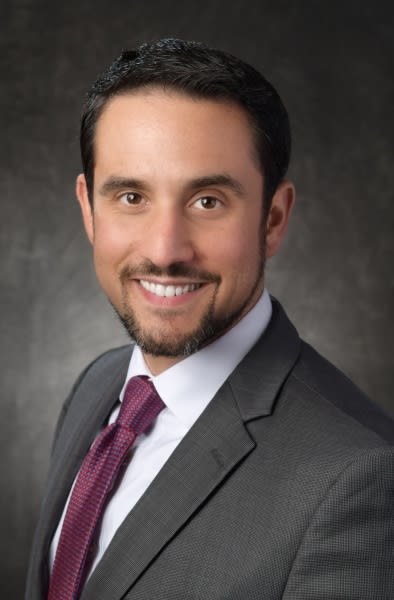
Iliyan Ivanov, MD is a Professor of Psychiatry at the Icahn School of Medicine in New York and Site Division Chief Child and Adolescent Psychiatry at Mount Sinai Morningside. In his current position, Dr. Ivanov utilizes his clinical expertise in the assessment and treatment of youths with ADHD, childhood trauma, mood and anxiety disorders, and adolescent and young adult with substance use disorders. Dr. Ivanov is the author of over 60 peer-reviewed publications featured in the American Journal of Psychiatry, JAMA Psychiatry and the Journal of Neuropsychopharmacology. He also has contributed over 10 chapters to different textbook on psychiatric and addictive disorders. Dr. Ivanov is a member and a Distinguished Fellow of the American Academy of Child and Adolescent Psychiatry (AACAP) and has served as the past President and an active Board Member of the NY Council on Child and Adolescent Psychiatry.
A special welcome and opening activity with Laura Stack, the Founder & CEO of Johnny's Ambassadors
Adolescent Impacts of THC Use: The Brain, Body, and Behavior
The adolescent brain, undergoing critical synaptic pruning and myelination through the mid-20s, is uniquely vulnerable to THC’s disruption of endocannabinoid signaling, with consequences that can be permanent. In this keynote presentation, attendees will learn about the impacts of youth THC use on:
* Brain Architecture & Cognition: Chronic adolescent THC exposure alters prefrontal cortex maturation, impairing executive function, working memory, and attention; neuroimaging studies demonstrate reduced gray matter density and disrupted white matter integrity, with deficits persisting into adulthood even after cessation.
* Psychiatric Risk: Early-onset cannabis use is independently associated with a 2–4× increased risk of psychotic disorders, accelerated onset of schizophrenia in genetically predisposed individuals, and elevated rates of anxiety, depression, and suicidality — with dose and frequency strongly correlated with severity.
* Somatic & Developmental Effects: Adolescent THC use is linked to pulmonary injury (especially via vaping), cannabinoid hyperemesis syndrome, disrupted sleep architecture with suppression of REM and slow-wave sleep, and emerging evidence of cardiovascular and immune dysregulation during a critical developmental window.
* Behavioral & Functional Outcomes: Regular adolescent use is associated with a-motivational syndrome, school disengagement, increased risk of cannabis use disorder (odds ~4× higher than adult-onset users), and a gateway effect toward polysubstance use — with socioeconomic and educational trajectories measurably worsened at the population level.
Dr. Finn graduated Medical School from the University of Texas Health Science Center-Houston. He completed residency in Physical Medicine and Rehabilitation from the University of Utah, and is board certified in Physical Medicine and Rehabilitation as well as Pain Medicine, and Pain Management. Finn serves on the American Board of Pain Medicine Exam Council, Appeals Committee, and Executive Board. Finn served on the Colorado Governors Task Force on Amendment 64, Consumer Safety and Social Issues Work Group and served 4 years on the Colorado Medical Marijuana Scientific Advisory Council.
Up In Smoke? The Industry's Narratives About Cannabis Quality Assurance
Avoiding Potholes: Navigating the Cautionary Trail of Cannabis As Medicine
To date, 40 states have legalized cannabis for medical purposes either through legislative dictate or popular vote. This has occurred in the absence of solid scientific evidence demonstrating either medical efficacy or safety. As the perception of harm has decreased and the perception of therapeutic benefit has proliferated, the number of people using cannabis has increased. This increase in use has coincided with significant mental health problems such as addiction, psychosis, and suicide, especially in young people. This session, led by a prominent addiction psychiatrist who has been on the frontlines of the epidemic in Appalachia, will note concerning parallels that exist between today's industry driven cannabis market and the prescription opioid pain pill industry which fueled our nation's addiction epidemic. The overarching goal of the talk will be to equip participants to understand the current evidence regarding cannabis as “medicine” and the risks to vulnerable populations, such that we can avoid repeating past failures.
Participants will be able to:
• Define “medication” in a way that is scientifically sound and can be used to objectively evaluate cannabis-based products.
• Articulate the inherent complications and potential dangers of “medicalizing” a heavily, politically-lobbied, recreational intoxicant.
• Recognize the consequences of expanding access to an addictive substance while failing to appreciate and account for the complex nature of addiction and other mental disorders
James H. Berry, DO, is Professor and Chair of the Department of Behavioral Medicine and Psychiatry at West Virginia University School of Medicine’s Rockefeller Neuroscience Institute and the Director of Addictions. He is board certified in both General Psychiatry and Addiction Psychiatry. He received his medical degree from Michigan State University College of Osteopathic Medicine, completed a General Psychiatry residency at West Virginia University and an Addiction Psychiatry fellowship at the University of Hawaii. He and his colleagues at WVU have developed nationally recognized, innovative community-based treatment models in response to the addiction crisis in Appalachia. Dr. Berry has been a dedicated clinician and enthusiastic educator in West Virginia since the early days of the addiction epidemic. He serves as a member of the West Virginia Governor’s Advisory Council on Substance Use Disorders and the Medical Cannabis Advisory Board. Nationally, he chairs the American Board of Psychiatry and Neurology’s Addiction Psychiatry Examination Committee and serves on the Addiction Policy Forum’s Scientific Advisory Board.
Marijuana Rescheduling: Understanding the Impacts and Implications
This session will provide an in-depth look at ongoing efforts to reschedule marijuana and the potential consequences for public health, policy, and prevention efforts. Participants will explore how the change could affect research, regulation, youth perception of harm, and the commercialization of high-potency THC products. The presentation will also highlight emerging data and concerns from states that have already expanded marijuana access, offering a balanced analysis of what lies ahead for communities and policymakers.
• Learn the potential consequences of rescheduling for public health, policy, and prevention efforts
• Explore how rescheduling could affect research, regulation, youth perception of harm, and the commercialization of high-potency THC products
• Discover concerns from states that have already expanded marijuana access
Sue Thau is a Public Policy Consultant representing Community Anti-Drug Coalitions of America (CADCA), nationally recognized for her advocacy and legislative accomplishments on behalf of the substance abuse prevention field. She has an extensive background in public policy and has held high positions at the federal, state, and local levels.
Guiding Positive Change: Promoting Health-First THC Policies in 2027 and Beyond
With hemp-derived semi-synthetics set to be banned in November of 2026, there are a number of important lessons to reflect on about what got us to this point. While the Farm Bill loophole may be closing, threats are already emerging to weaken or remove the new provisions that protect public health. On the other side of cannabis, the marijuana policy landscape remains a patchwork designed to promote commercialization and unhealthy use. Join Dr. Aaron Weiner and Johnny's Ambassadors for an exploration of what's been successful in shaping drug policy, what hasn't, and how we can continue to refine and improve our messaging to protect the health of our kids and our communities in the years ahead.
Objectives. Attendees will be able to...
* Describe three or more principles why banning, rather than regulating, semi-synthetic THC products is the best choice for public health
* Explain how the Farm Bill loophole was successfully closed at the federal level
* Identify at least three reasons why unsuccessful drug policy campaigns have failed to achieve their goals
* Integrate best-practice principles for policy change into a plan that can help their local communities
“Laura, I am so glad I attended the conference – as a mother and a Licensed Marriage & Family Therapist. I am trying to spread the word about the toxic and dangerous impact of THC on kids one family at a time. This conference armed me with more facts, stories, and data to help this cause. It is disturbing how uninformed the public and parents are. I only wish the schools would allow and support much, much more education. The school districts and social media public service announcements for kids are the main ways to get the information out. I would be happy to help with any campaigns or in any other way that I can. All parents, educators, and politicians should be attending your conferences yearly and participating much more in the making necessary and critical changes in this area. Thank you for all you do. Your loss is with me every time I participate in anything we do to move the dial forward on destroying the THC industry’s power and hold on our kids.” - Lisa Hall, Counselor, L.M.F.T.
“Laura, Michele and I really appreciated and enjoyed attending the conference. You and your husband did an amazing job coordinating every detail and the conference was beyond our expectations. The venue was beautiful, the food was great, and the speakers were exceptional. As a 40 year career law enforcement professional, the information exchange was incredible. Thank you again for your dedication and conviction to helping others. We look forward to the conference next year.” - Dan Zsido, Seminole, Florida
“I’m sure your email is flooded with nothing but praises. The conference was absolutely fantastic. Next year I want to attend the 2 day in person. All the presentations were great. I felt like I was drinking from a firehose at times. I like how you broke it down by speaker and focus. The data and studies cited were really helpful. The Marijuana Conference was jam packed with the most current, all encompassing information on youth and THC. When I want the most up to date, impactful information or data, I go to Johnny’s Ambassadors website, or scan the FB posts. Laura Stack is passionate about protecting our kids from the dangers of THC. The best in the field respect her and know she gets the message out. They were all at the conference and delivered a punch to motivate us to join the offensive taking back our youth’s wellness.” - Nancy Henderson, Project Coordinator, Prevention Council of Roanoke
“Where do I even start... Amazing!! From start to finish, I was all in!! You have taken your unimaginable loss and turned it into something so meaningful to so many people! I am brand new to my local coalition to help prevent substance abuse in our youth, and this was such a great conference for my first experience! The information you all presented was very meaningful, real world experiences and such great knowledge by all of your presenters. I was part of the live stream, and it was flawless. I cannot wait to take back all I learned to the coalition that I am a part of. I appreciate you making the recording available to us, some of the information I would like to hear again. I loved the fact that your presenters didn’t present just the statistics but also gave some really helpful information on how to connect with the kids, and to help get the information to the kids so they may actually listen to the message. This is beyond important information, you have a great team surrounding you to help deliver the message. Keep up the great work that you all are doing and I look forward to seeing you all again next year!! Thank you. - Brenda Ready RN, Med/Surg Charge Nurse, Genesis Medical Center
“The conference was incredible Laura. I was very impressed by the breadth of what was covered and the quality of the speakers. I will be able to use a lot of what I learned in my coalition work here in New Jersey. Thank you for organizing this conference!” - Michael Regenelli, SCRATCH Project Coordinator, The Southwest Council, Inc.
APPROVED EDUCATION PROVIDER #253600